NGN


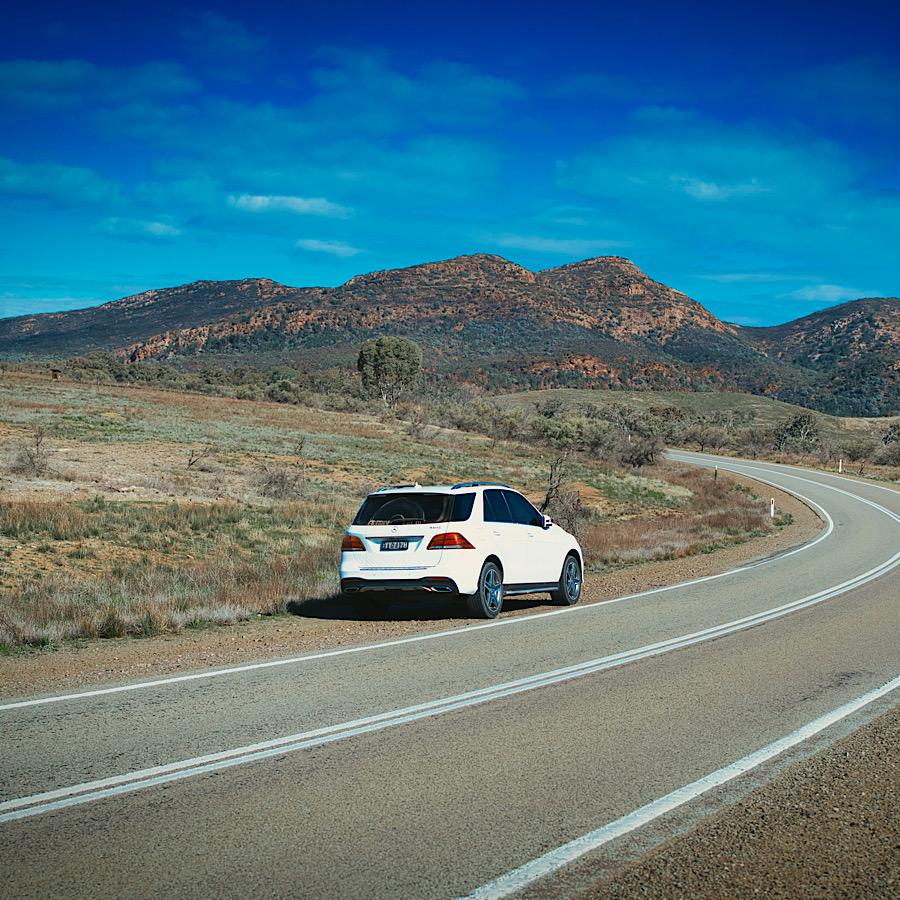
Avoid costly mistakes when renting a vehicle. Learn the top 10 car rental errors travelers make and discover practical tips for a smooth, hassle-free rental experience.
Renting a vehicle is one of the most convenient ways to travel, whether for business, leisure, family vacations, airport transfers, or special events. A rental car provides flexibility, comfort, and independence, allowing travelers to move on their own schedule without relying on public transportation or ride-hailing services.
However, many customers make avoidable mistakes during the rental process. These mistakes can lead to unnecessary expenses, inconvenience, disputes, or even safety concerns. The good news is that most rental issues can be prevented with proper planning and a basic understanding of how the rental process works.
In this guide, we'll examine ten of the most common car rental mistakes and explain how you can avoid them to enjoy a smooth, stress-free experience.
One of the biggest mistakes renters make is delaying their reservation until the day they need the vehicle.
While last-minute bookings sometimes work out, they often result in:
- Limited vehicle availability
- Higher rental prices
- Fewer vehicle choices
- Difficulty securing premium models
During holiday periods, business conferences, weddings, and peak travel seasons, demand for rental vehicles can increase significantly.
Book your vehicle as early as possible once your travel plans are confirmed. Early reservations often provide better pricing and greater vehicle selection.
Many renters focus solely on the rental price without considering passenger and luggage requirements.
A vehicle that seems suitable online may feel cramped once passengers and luggage are added.
- Insufficient legroom
- Limited luggage capacity
- Reduced comfort on long trips
- Passenger dissatisfaction
Consider:
- Number of travelers
- Luggage quantity
- Travel duration
- Desired comfort level
If you're unsure, choosing a slightly larger vehicle often improves the overall experience.
Different rental companies operate under different fuel policies.
Common policies include:
- Full-to-full
- Prepaid fuel
- Return-as-received
Failing to understand the fuel requirements can result in additional charges when returning the vehicle.
Review the fuel policy before collecting the vehicle and ensure you comply with the agreed terms.
Keep fuel receipts when possible as proof of refueling.
Many customers are eager to start their journey and neglect to thoroughly inspect the vehicle before departure.
This can create disputes regarding pre-existing damage when the vehicle is returned.
- Bumpers
- Doors
- Windshield
- Wheels
- Mirrors
- Interior condition
Inspect the vehicle carefully before driving away.
Take clear photographs and videos of the vehicle from multiple angles and report any visible damage immediately.
Insurance can be one of the most confusing aspects of vehicle rentals.
Many renters either purchase unnecessary coverage or decline protection they may actually need.
- Accident expenses
- Theft-related losses
- Third-party liability claims
- Vehicle damage costs
Review:
- Rental insurance options
- Existing personal insurance coverage
- Corporate travel policies
- Credit card benefits (where applicable)
Always understand what is and isn't covered.
Some rental agreements include mileage limits, while others offer unlimited mileage.
Customers planning long-distance trips sometimes discover additional charges after exceeding permitted mileage.
Estimate your expected travel distance and confirm whether the rental package includes mileage restrictions.
Choose unlimited mileage if you anticipate extensive travel.
Many people sign rental documents without reading the details.
Important information may include:
- Security deposits
- Late return penalties
- Insurance terms
- Fuel policies
- Mileage limits
- Additional fees
Take a few minutes to carefully review the agreement before signing.
Understanding the terms helps eliminate surprises later.
Rental companies schedule vehicles carefully to meet customer demand.
Returning a vehicle later than agreed can result in additional charges.
In some cases, a few extra hours may trigger an entire additional day's rental fee.
Plan your schedule carefully and allow extra time for traffic, airport procedures, or unexpected delays.
If you anticipate being late, contact the rental company as soon as possible.
Travelers visiting unfamiliar locations sometimes select vehicles unsuitable for local road conditions.
For example:
- Compact cars may struggle on rough terrain.
- Large vehicles may be inconvenient in crowded city centers.
- Two-wheel-drive vehicles may be unsuitable for challenging routes.
Consider:
- Road quality
- Weather conditions
- Terrain
- Distance to be traveled
Selecting the appropriate vehicle improves safety and comfort.
While affordability is important, the cheapest rental option is not always the best value.
Extremely low rates may involve:
- Limited features
- Higher deposits
- Older vehicles
- Additional charges
Evaluate the complete rental package, including:
- Vehicle quality
- Customer support
- Included services
- Insurance options
- Convenience features
The goal should be value rather than simply the lowest price.
To maximize your rental experience:
Booking ahead increases vehicle availability and often secures better rates.
Bring:
- Valid driver's license
- Identification
- Payment method
- Reservation confirmation
Keep the rental company's support number accessible throughout your trip.
Following local traffic laws helps ensure safety and prevents avoidable penalties.
Choosing a reputable rental provider can significantly improve your experience.
Professional companies typically offer:
- Well-maintained vehicles
- Transparent pricing
- Reliable customer support
- Flexible rental options
- Modern fleets
- Convenient booking systems
Working with an established provider reduces risks and increases peace of mind throughout your journey.
Renting a vehicle should make travel easier, not more complicated. By understanding common rental mistakes and taking simple preventative measures, you can avoid unnecessary expenses, disputes, and inconvenience.
Whether you're renting a vehicle for a family vacation, corporate trip, airport transfer, wedding, or weekend adventure, proper preparation can help ensure a smooth and enjoyable experience from pickup to return.
A little planning goes a long way toward making your rental experience comfortable, efficient, and stress-free.

Jan 16, 2025

Jan 16, 2025